Researchers at Penn State have developed a new approach that could shorten the time needed to identify bacteria causing bloodstream infections from several days to hours—a potentially important advance for patients at risk of sepsis. The platform, called STREAM, combines accelerated bacterial culturing, molecular analysis, and single-cell imaging to identify pathogens from blood samples.
The findings were published in Science Advances. The approach is designed to provide pathogen identification and antibiotic susceptibility information earlier, potentially supporting treatment decisions for patients at risk of sepsis.
“For a physician, ‘what actually caused this infection and how should it be treated?’ are the most important questions when it comes to the timely management of a bloodstream infection,” said corresponding author Pak Kin Wong, PhD, professor of biomedical engineering and mechanical engineering at Penn State, in a press release.
Bloodstream infections account for about 40% of sepsis cases that lead to hospitalization, according to the researchers. Because low concentrations of bacteria can trigger a septic response, identifying the causative pathogen and selecting an effective antibiotic can be time-sensitive.
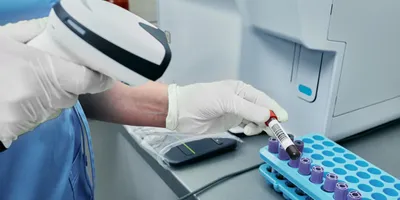

A faster approach to blood culture
Sepsis is a major global cause of illness and death, accounting for about 20% of deaths worldwide. It is associated with approximately 49 million cases and 11 million related deaths each year. In the US, sepsis is the leading cause of hospital readmissions, with about 1.7 million readmissions and 350,000 related deaths annually.
Traditional sepsis diagnosis can take two to seven days because bacteria must first grow to measurable levels before technicians can identify the pathogen. Existing culture-free tests can provide faster results, but Wong said they may offer less comprehensive or sensitive readings.
STREAM instead accelerates the culture process while analyzing bacteria during growth. Blood samples are mixed with a specialized broth that separates blood cells from individual bacteria. Rather than waiting for a culture endpoint, researchers collect samples at multiple time points.
“Instead of sampling at a particular endpoint after culture, we collect samples at multiple time points throughout the culture process,” Wong said. “This approach maintains robust bacterial detection while minimizing the time to results.”
The samples undergo molecular analysis to detect genetic fragments and identify bacterial species. Single-cell techniques also produce microscopic images that computer algorithms analyze to identify pathogens while reducing visual clutter. The analyses can also provide information about antibiotic susceptibility and resistance.
STREAM joins a growing field of rapid sepsis diagnostics. FDA-cleared approaches now include Cytovale's IntelliSep, which analyzes biophysical changes in white blood cells to assess sepsis risk, and Inflammatix's TriVerity, which uses host-response gene expression to help assess infection type and risk of progression to severe disease. IntelliSep can deliver results in about eight minutes, while TriVerity is designed to provide results in about 30 minutes.
Further validation is needed
The researchers tested STREAM with about 100 positive bloodstream infection samples stored at Penn State Hershey Medical Center's clinical microbiology laboratory. The combined approach enabled comprehensive diagnosis in as little as seven hours, according to the researchers.
However, the technology still requires further development. Just over 4% of samples were classified as "very major errors," meaning bacteria were incorrectly identified as resistant or susceptible to an antibiotic. The researchers also noted potential challenges when testing blood from patients who had already received antibiotics.
Future work will focus on integrating artificial intelligence and laboratory automation, expanding the range of detectable pathogens, and potentially adapting the platform for fungal infections.
“This framework is scalable, so the list of pathogens we can detect could feasibly be expanded. We believe we could adapt this approach to identify infections originating from sources other than bacteria, like fungal infections,” Wong said. “We hope to work closely with physicians at Penn State College of Medicine to move towards more clinical studies and, eventually, clinical adoption.”
This article was created with the assistance of Generative AI and has undergone editorial review before publishing.