Laboratories have always had to adapt to the forces around them, but few have faced so many pressures at once. These days, teams are being asked to deliver more with fewer people and tighter budgets. The rise of AI and automation is raising expectations for how connected a lab should be. At the same time, shifting regulatory policies and funding priorities are leaving many labs uncertain of how to plan.
As a result, resilience and the ability to continue performing despite disruption without sacrificing quality have become essential. That resilience increasingly depends on the lab equipment researchers use every day. Centrifuges, incubators, cold storage, biosafety cabinets, and pipettes have evolved into smarter, more connected technologies, and they are quickly becoming the heart of a resilient lab.
Doing more with fewer people and tighter budgets
Many labs are operating with smaller teams and limited funding, but expectations for output haven’t changed. As a result, time spent on repetitive, hands-on tasks is time taken away from high-impact work that requires true scientific expertise.
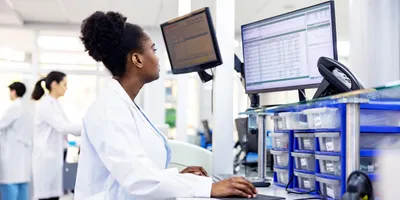

Everyday lab technology and equipment have adapted to these constraints and become increasingly automated, giving researchers time back. Incubators run their own sterilization cycles, removing a manual cleaning process that once took hours. Centrifuges automatically recognize rotors and detect imbalances, reducing setup errors and protecting samples. Electronic pipettes and touchscreen interfaces store preset protocols, so team members can run them the same way. This helps lab processes and results remain consistent through staff changes. It also lets newer users operate sophisticated equipment with confidence, saving training time.
Budget constraints also call for a longer view of value, calling for labs to consider total cost of ownership for lab equipment rather than just upfront price. When labs use equipment such as cold storage with scheduled compressor features and biosafety cabinets with energy-efficient settings, overall power consumption drops, reducing operating costs compared to standard models.
Laying the groundwork for AI and automation
AI and advanced automation are generating significant excitement, but their promise depends on consistent, accessible data from the equipment labs use every day. An AI tool is only as useful as the information it can draw from.
Connected equipment is building that foundation. Performance monitoring has become more advanced and accurate as equipment grows more interconnected. Cold storage units log their performance and alert of temperature changes before the samples inside are ruined, while connected instruments share data that helps managers plan how to use and invest in their equipment.
Labs don’t need to adopt everything at once, but choosing equipment designed to connect and integrate with lab information systems allows them to integrate AI and automation technologies more seamlessly.
Navigating regulatory uncertainty
Evolving regulatory policies and funding shifts have left many labs in limbo, unsure which requirements will dictate the next few years. While no piece of equipment alone can guarantee compliance, the right equipment can help them meet current documentation and quality expectations.
Digital logs and user access controls automatically document equipment performance and usage, supporting data integrity and traceability without adding paperwork. Biosafety cabinets with real-time airflow monitoring continuously verify that users and samples are protected.
Flexibility matters just as much. Programmable settings, interchangeable rotors, and adaptable configurations allow equipment to support a range of applications, helping labs pivot as research priorities change.
Sustainability expectations are also continually changing. Equipment using natural refrigerants and energy-efficient designs, backed by third-party ecolabels, helps labs stay ahead.
What resilience looks like in practice
For lab leaders evaluating their next equipment investment, a few questions can guide the decision:
- Does it offer self-monitoring and alerts that protect samples and data?
- Can it be programmed or configured for changing workflows?
- Does it capture and share data with existing lab systems?
- Will it reduce energy use, operating costs, and hands-on time?
Resilience starts on the bench
Disruption isn't going away, and the labs that thrive will be those built to adapt, and that adaptability starts with the everyday technology researchers depend on. By investing in smarter, connected, and more efficient equipment, labs can protect today’s research while positioning themselves for whatever comes next.